
What it's like to foster unaccompanied asylum seeking children and young people in Bristol, your role as their foster carer, and how we'd support you.
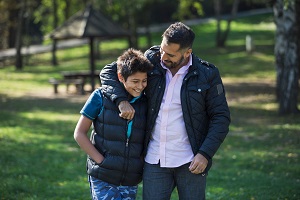
Children and young people who arrive in the UK seeking refugee status, without their parents or carers, are usually looked after by local councils and placed with foster carers. They have a right to legal aid to support their asylum application.
We have several refugee children and young people needing foster homes in our city. We need foster carers to care for and support them in their new life.
Background
An unaccompanied asylum seeking and separated child is a person who, at the time of making an asylum application, is:
- under 18 or, in the absence of evidence establishing age, appears to be under that age
- applying for asylum in his or her own right
- separated from both parents
- not being cared for by an adult who by law or custom has responsibility to do so
Unaccompanied asylum seeking minors are usually escaping:
- war and conflict
- persecution
- enforced military conscription or marriage
- extreme poverty
According to the Refugee Council, they're usually:
- between 14 and 17 years old
- from Afghanistan, Syria, Ethiopia, Eritrea, Albania, Sudan, Iraq or Iran
Ideally, we'd like to place these children with families who come from the same country as them. If we cannot do this, we'll try to home them with a carer who either comes from a similar culture or ethnicity or has the experience and support network to promote the child's cultural identity.
The children and young people may have been:
- orphaned in their country or on the journey here
- separated from family along the journey
- sent ahead by their family
They might also have family in the UK, who they want to join.
Your role as a foster carer for refugee children and young people
Unaccompanied asylum seeking and separated children will have emotional, practical and cultural needs that you'll have to understand and support.
The child or young person will need to come to terms with the experiences that forced them to leave home, as well as the experiences of the journey up to the point of being fostered.
There will also be legal processes to support them through, while they're applying for permission to stay in the country.
As their foster carer, you'll need to:
- give them a safe and supportive home environment
- offer emotional support and be patient, as they'll need time before they can start to relax and feel comfortable
- support them with education, medical appointments, legal appointments, and leisure activities like sports or music
- be willing to learn about the young person's culture and religion and make it part of your home life
- help them build a new life, make friends, and create meaningful relationships
If you have any questions or would like an informal chat, contact our fostering team.
Call:
0117 353 4200
Email:
Form:
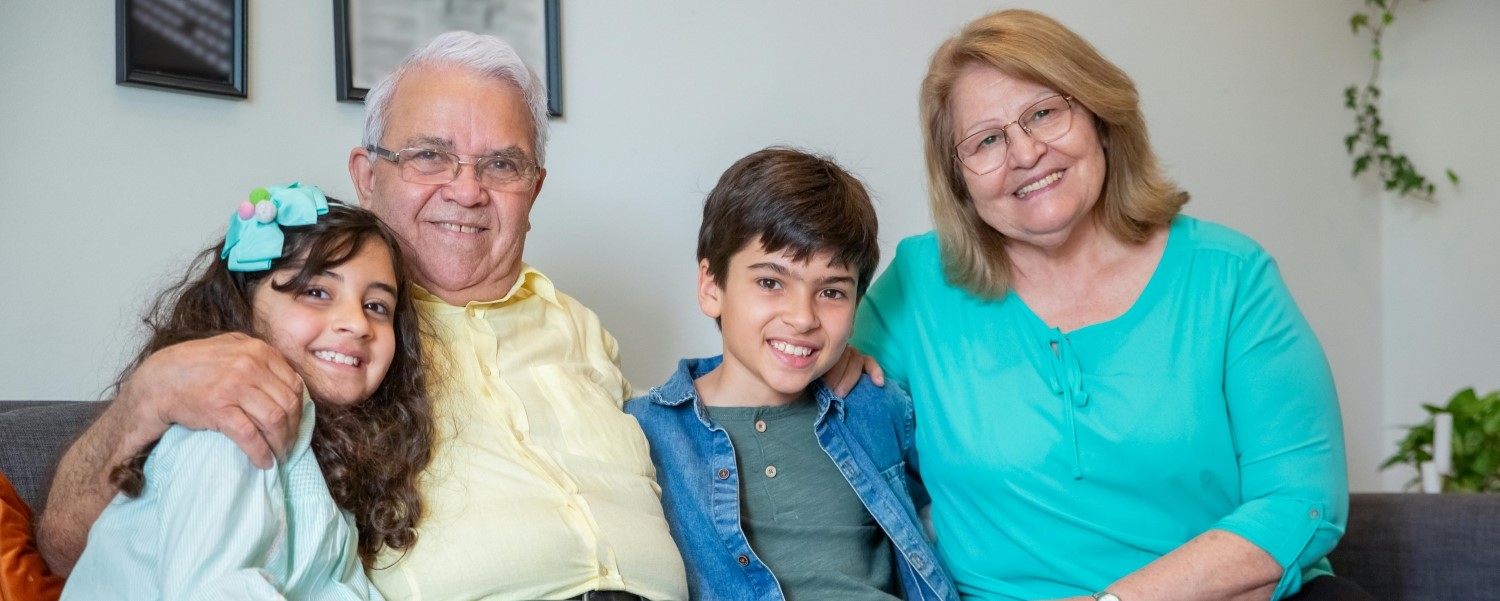
What our Bristol carers say about fostering unaccompanied asylum seeking children
"The three lads I have cared for have been the most pleasurable placements I have had. They are enthusiastic about school, learning and their new community. I have found it massively rewarding and stimulating learning about faith and culture in order to support these placements, they have taught me so much."
