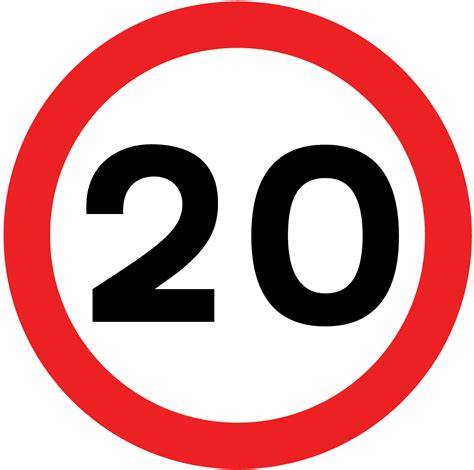
We want to make our roads safer using evidence of what works, so we've looked at research and good practice from similar cities in the UK and elsewhere to help us shape our 20mph plans.
On shared roads where people walk, cycle, scoot, motorcycle, and drive, there is clear evidence that 20mph is the maximum safe speed.
20mph limits across the UK and elsewhere have been shown to effectively improve safety and reduce collisions and injuries by a huge 20%. That makes 20mph one of the most effective road safety interventions available.
Everyone benefits from safer roads.
- Road Safety Foundation: Determining Safe Speeds identifies 20mph as the maximum safe operating speed on British roads where pedestrians, cyclists, and motorcyclists mix with cars.
This drops to 10mph where there is a particular prevalence of pedestrians, cyclists, and motorcyclists or heightened vulnerability, such as around schools or hospitals (10mph speed limits are not being considered as part of this review). - Parliamentary Office of Science and Technology, 20mph speed limits and zones public health impacts sets out a range of detailed evidence on the public health impacts of 20mph limits, including safety benefits.
- Parliamentary Advisory Council for Transport Safety: lower urban speed limits in Europe explores the impacts of lower (20mph or 30mph) speed limits in cities across Europe, finding reductions in collisions between 11% and 39%.
- We have selected 20% as a relatively conservative estimate, informed by:
- the above studies
- the recent 20mph rollout in Wales, one of the largest case studies, which resulted in a 25% reduction in casualties on roads reduced to 20mph over two years.
- research from London that found cyclists had a 21% lower chance of suffering an injury on 20mph roads
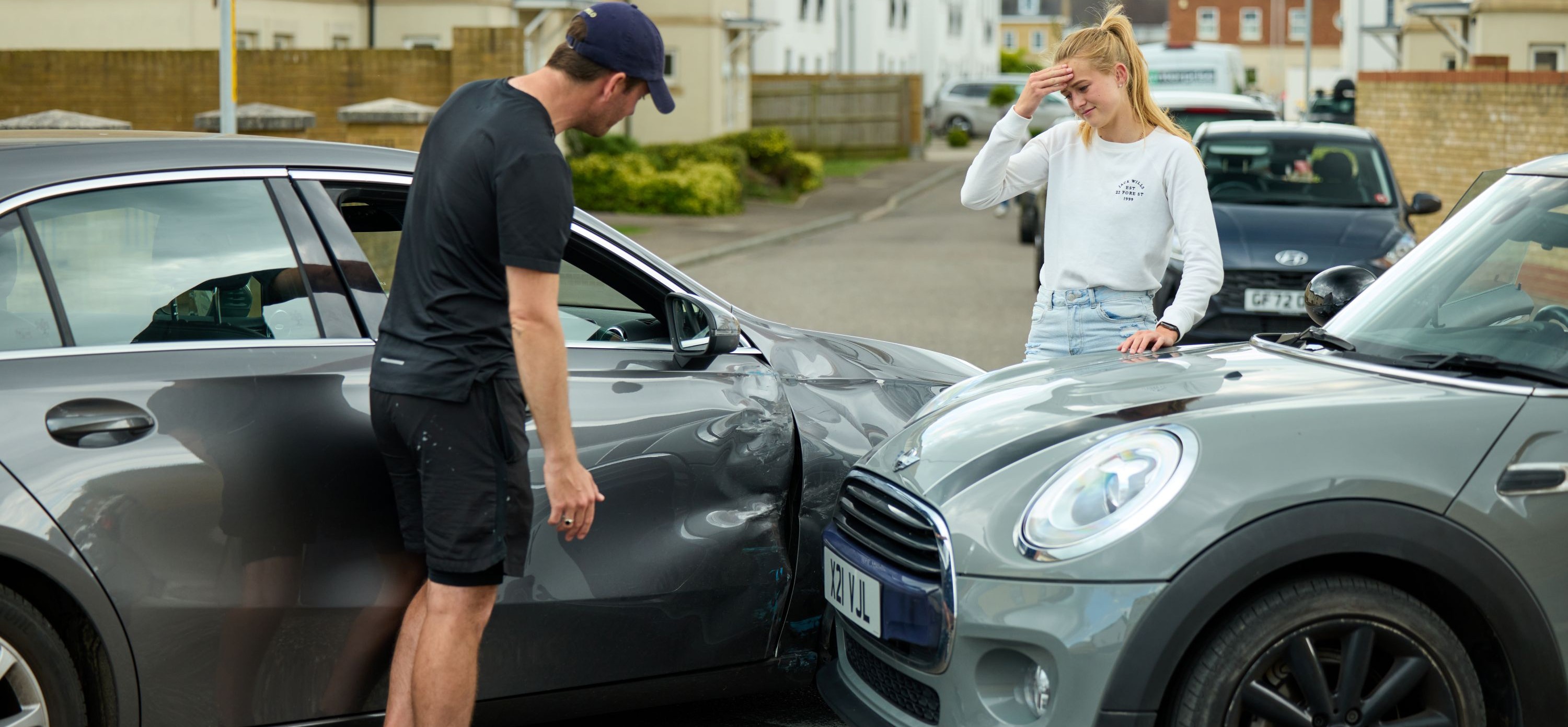
Independent research found that the 20mph speed limits introduced by Bristol City Council in 2012 significantly reduced the number of fatal, serious, and slight injuries from road traffic collisions.
Imagine you're driving and a child runs suddenly into the road, about 12m (three car lengths) away. You react as quickly as you can and slam on the brakes.
- If you're driving at 20mph, you'll have fully stopped before you hit the child. Everyone leaves shaken, but safe.
- If you're driving at 25mph, you'll be going 18mph when you hit the child. There's a good chance they'll be injured, and they could be killed.
- If you're driving at 30mph, you'll still be going 27mph when you hit them. There's a high chance they'll be killed, or seriously injured.
These figures are informed by a calculation of stopping distances for an average sized family car in dry conditions, accounting for 0.67 second of “thinking time”, as used by the Highway Code.
The Bristol 20mph Evaluation Report (BRITE) by University of the West of England (UWE) examined the impacts of the full original rollout. It estimated the changes prevented, on average, 5 fatal, 11 serious, and 160 slight injuries each year (page 5).
Research reported in the Accident Analysis and Prevention Journal found that in a collision with a pedestrian, every 1mph above 20mph increases the chance of a fatality by 15%.
At 20mph, 6.6% of such collisions are fatal. At 25mph this almost doubles to 12.9%, then doubles again at 30mph to 25%.
These figures have been converted into mph from kph and extrapolated from this research.
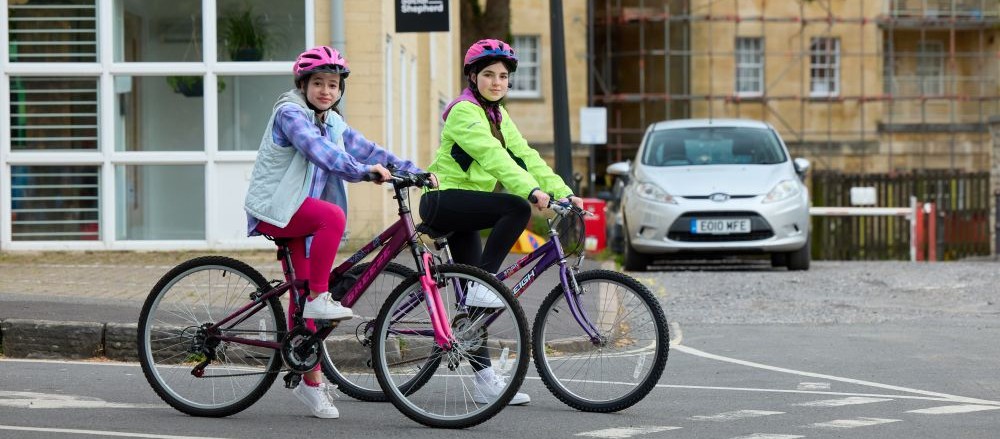
Children enjoy walking, cycling and scooting to school, but parents and carers often worry about how safe it is to cross or use the roads.
Younger children can't reliably tell how fast vehicles are going if they're driving over 25mph. This means 30mph roads are unsafe for them, even when drivers are alert and driving responsibly.
We can't just improve safety at the school gate, we need to make sure our children are safe travelling to and from school.
Research by road safety charity Brake found that 68% of parents of 4-11-year-olds would like their children to walk, cycle, or scoot to school more often, but 36% of those parents said it's not safe to do so.
Research from University of London found that young children can't reliably judge vehicle speeds above 25mph.
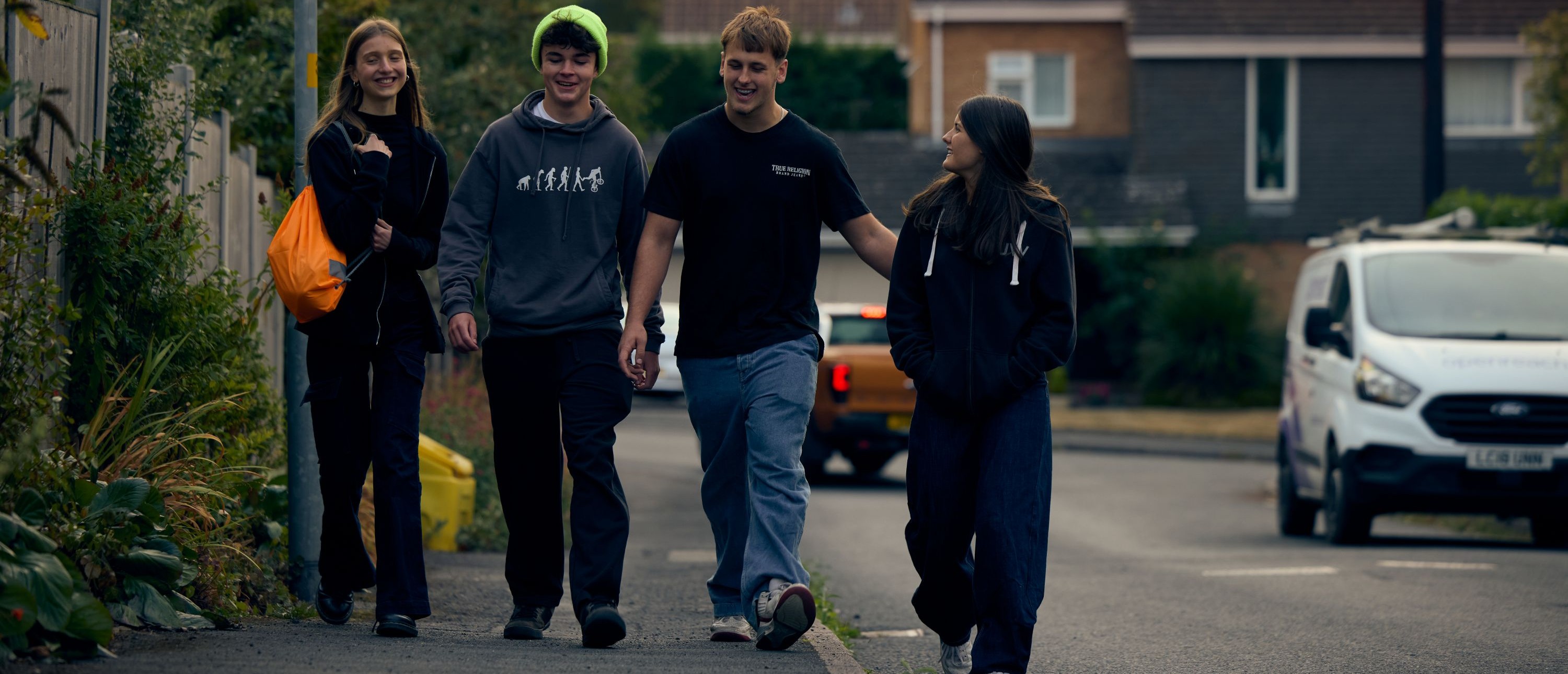
Slower vehicle speeds and more walking and cycling can make our communities more pleasant and reduce anti‑social road noise.
Local high streets are the hearts of our communities. A 20mph limit helps ensure they aren't cut in two by dangerous traffic, which helps local shops, clubs and communities thrive.
We gathered resident feedback as part of our original rollout.
Before the 20mph limit was implemented, 30% of respondents said local roads were quiet and 37% said they were noisy. After 20mph limits were implemented, 50% of respondents said they roads felt quiet, and 29% said they were noisy.
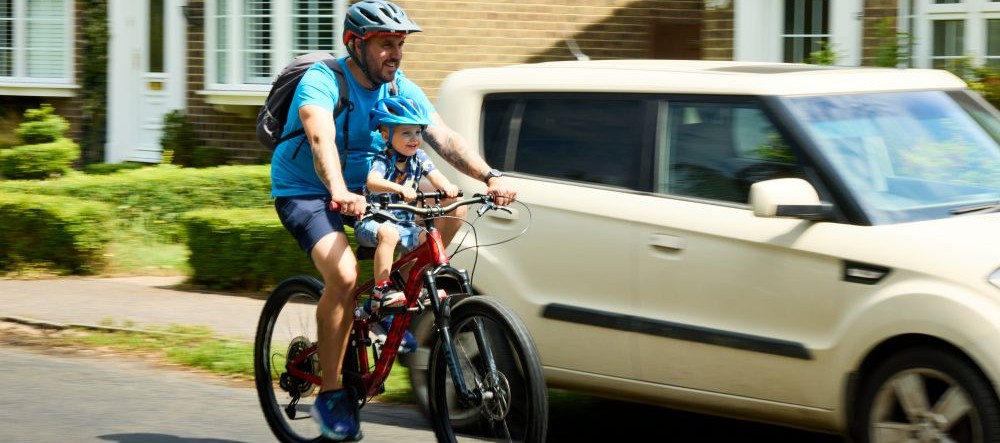
Most people in Bristol say that more 20mph roads would help them walk and cycle more.
Walking and cycling are great ways to build healthy habits into daily life and should be fun and accessible to all, but people need to feel safe.
More walking and cycling mean less trips by car and less congestion when you do need to drive.
Bristol Cycling and Walking Index (2023) found that 52% of people said they would find streets with 20mph speed limits useful to walk, wheel, and cycle more.
One of the biggest barriers to cycling is feeling unsafe:
- Department for Transport Statistics show that 66% of people across Great Britain feel that the roads are too dangerous to cycle on. Only 14% of people disagree.
- Research from Science Direct that found cyclists in London had a 21% lower chance of suffering an injury on 20mph roads.
Driving journey time is mainly impacted by:
- congestion
- junctions and traffic lights
- for buses, pick-up and drop-off
That makes 20mph a win-win, safer roads without longer journeys.
Atkins and University College London's 20mph research study, commissioned by the Department for Transport, explores impacts on journey times (page 52) and highlights that any impacts on journey times are negligible.
These are likely to be even lower in congested urban areas, as this review considered all 20mph limits, and focussed on non-main roads, which generally suffer from less congestion.
In our monitoring report, First Bus reported that the original 20mph pilot in Bristol did not adversely affect bus journey times or reliability.
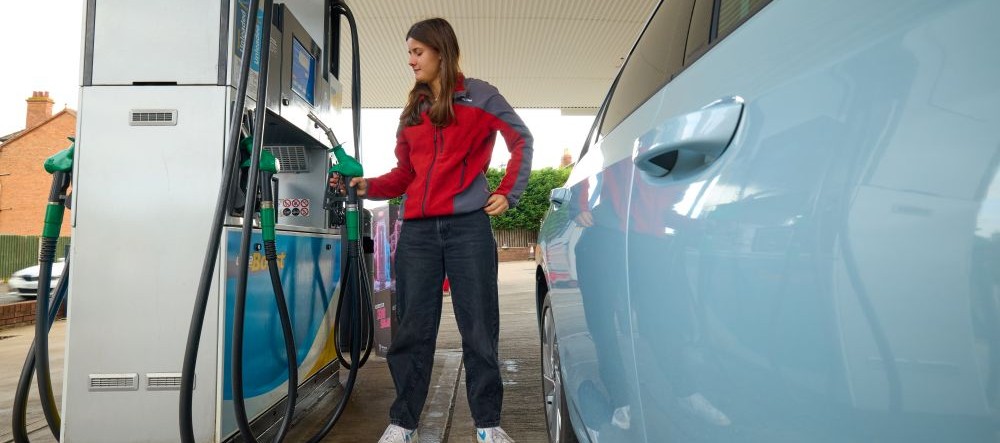
30mph encourages fast acceleration and harsher braking between traffic lights, without speeding up your journey. That means more emissions and higher fuel costs.
Many factors impact air quality, but 20mph limits on average offer 18% improvements in air quality and save drivers up to 7% in fuel costs.
20mph is more efficient in cities unless you drive continuously at 30mph for 1km, which just isn't possible in busy urban areas.
Imperial College London's evaluation of 20mph speed limits in London found that 20mph limits encourage smoother driving, with less acceleration and deceleration.
A meta-analysis of the impacts of 20mph and 30kph speed limits across Europe by the University of Athens found an average 18% emissions reduction and 7% fuel use reduction.
Modelling by Future Transport Research that 20mph limits reduce emissions by up to 38% and improve air quality in urban areas. This is because 20mph limits promote smoother driving.
The modelling also finds that you need to drive continuously at 30mph for 1km before it becomes more efficient than driving at 20mph, which is not generally possible in urban areas due to junctions and traffic lights.
The National Institute for Health and Care Excellence includes 20mph limits as a tool to improve air quality.
The insurance industry is driven by data and does a huge amount of analysis on claims and crashes.
Major car insurer Esure reported a 20% reduction in damage claims following 20mph rollout in Wales. They've cut insurance premiums by an average of 10%, which works out at around £45 a year.
The insurance industry is now working to make premiums match local speed limits in England. This could lead to lower insurance costs for Bristolians.
Insurance Times: More 20mph zones could cut motor premiums
Information relating to ongoing work in the industry to apply similar savings in England was shared during a webinar organised by LANDOR, Delivering 20 and making 20mph work.
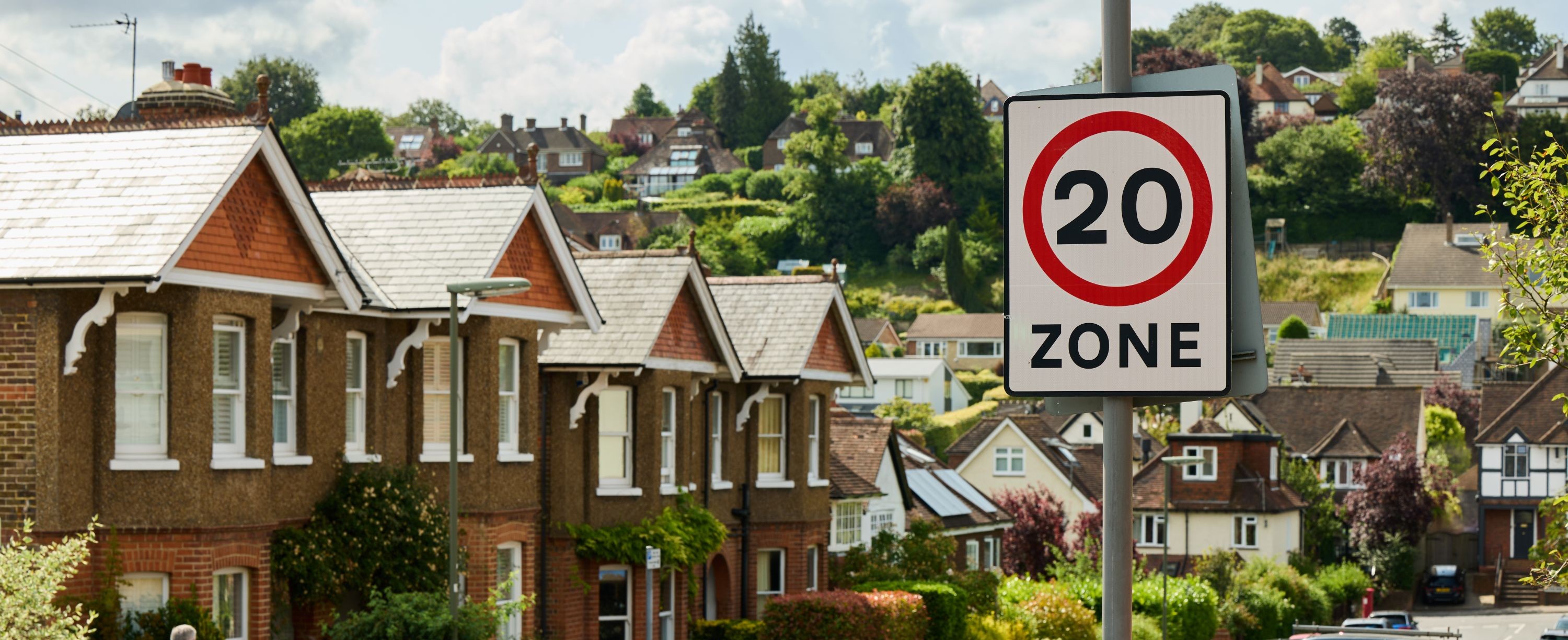
Some 20mph and 30mph roads in Bristol look similar. They have houses either side, cars parked along the kerb, people walking and cycling, and generally slow moving traffic, but different speed limits.
This is confusing for everyone. You shouldn't have to keep wondering if a road is 20mph or 30mph, it should be obvious from the surroundings.
The 20mph review aims to make speed limits consistent across Bristol; 20mph in the areas where we live, learn and work.
A study into the implementation of 20mph limits in Belfast and Edinburgh found that a comprehensive and consistent scheme in Edinburgh was significantly more impactful than a piecemeal scheme in Belfast.
In 2023, the Welsh Government changed the default speed limit on street-lit roads in Wales from 30mph to 20mph.
The change has been one of the most successful road safety measures in UK history. In the first 18 months after the new speed limits came in, there was a 25% reduction in casualties on the roads compared to the previous 18 months.
This is almost as big an impact as when seat belts were made compulsory in front seats in 1983, which faced opposition at the time but is now widely accepted.
A small number of rural and trunk roads in Wales may revert to 30mph, but the project has been a huge success in urban areas similar to Bristol.
Unlike Wales, we have assessed all 30mph roads individually to identify where 20mph is suitable and will bring safety benefits before proposing any changes.
In response to the 20mph review, you have raised some questions.
Enforcement and speeding fines
You requested that we put more resources into enforcing 20mph speed limits.
Bristol City Council does not have powers to enforce speed limits and does not receive any income from speeding fines. Speeding fines are paid directly to central government.
Avon and Somerset Police are responsible for enforcing speed limits. We support them by helping to identify speeding hotspots.
20mph speed limits will not solve all speeding problems, but they're well proven to reduce top speeds and improve safety.
Potholes and safer speed limits
Potholes are a major safety concern, and one we take seriously, but they can't be our only focus.
20mph speed limits offer extremely good value for money when it comes to the safety benefits, compared to the cost.
We recently announced a £970,000 fund to resurface 5 roads across Bristol. This is almost double the budget allocated to introduce safer 20mph speed limits on around 100 roads across Bristol.
Air quality and fuel use
20mph speed limits encourage smoother driving and are recommended by the National Institute for Health and Care Excellence to improve local air quality. They can reduce fuel use by around 7%.
Some research has found that speed humps and traffic calming can increase air pollution due to slowing down and speeding up These aren't being proposed as part of the 20mph review, only a change in speed limits, which encourages smoother driving.